
Understanding Ayurvedic Guide for healthy digestion and Gut Wellness
Introduction:
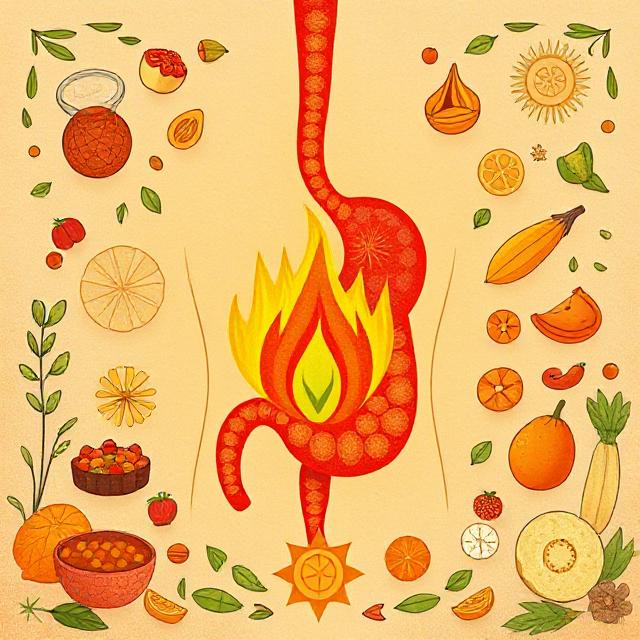
In Ayurveda, no concept is more fundamental to health than Agni—your digestive fire. While modern medicine focuses on digestive enzymes, pH levels, and gut bacteria, Ayurveda recognized 3,000 years ago that a mysterious “fire” in your belly determines whether food becomes nourishment or toxins. Today, we know this ancient wisdom was remarkably accurate: digestive capacity truly does influence immunity, energy, mental clarity, skin health, and virtually every aspect of wellbeing.
But what exactly is Agni? How do you know if yours is strong or weak? And most importantly—how do you strengthen it?
This complete guide reveals everything you need to know about digestive fire, including practical steps to optimize your Agni and transform your health from the inside out.
What is Agni (Digestive Fire)?
The Concept:
Agni literally translates as “fire” in Sanskrit, but in Ayurvedic physiology, it represents much more than heat. Agni is the transformative intelligence that converts food into tissues (dhatus), energy (ojas), and consciousness itself. It’s the metabolic principle governing all chemical and biological transformations in your body.
Classical Ayurvedic texts describe 13 types of Agni operating at different levels:
- Jatharagni (digestive fire) – Primary fire in the stomach and small intestine
- Bhutagnis (5 element fires) – Convert food elements into body elements
- Dhatvagnis (7 tissue fires) – Build and maintain the seven tissues (dhatus)
Modern Translation:
While ancient Ayurveda lacked our scientific vocabulary, Agni encompasses:
- Digestive enzymes (amylase, lipase, protease, pepsin, etc.)
- Stomach acid (HCl) production
- Bile secretion
- Pancreatic function
- Gut motility and peristalsis
- Gut microbiome balance
- Cellular metabolism
- Liver detoxification capacity
The Ayurvedic Insight: These aren’t separate functions—they’re expressions of one underlying metabolic intelligence. When Agni is strong, all digestive processes work harmoniously. When Agni weakens, the entire system suffers.
Why Agni determines your overall health
The Central Ayurvedic Principle:
“Rogah Sarve Api Mandagnau” – All diseases originate from weak digestive fire.
This isn’t hyperbole. Consider what happens when Agni functions optimally:
✓ Food digests completely → Full nutrient absorption
✓ No partially digested material remains → No toxic Ama production
✓ Strong nutrient availability → Robust tissue formation
✓ Proper elimination → Clean internal environment
✓ Balanced doshas → Constitutional harmony
When Agni weakens, the cascade begins:
✗ Incomplete digestion → Poor nutrient absorption
✗ Partially digested food → Ama (toxic residue) formation
✗ Ama circulates → Clogs channels (srotas)
✗ Tissues undernourished → Weakness, disease susceptibility
✗ Doshas imbalanced → Symptoms in mind and body
Modern Validation:
Contemporary research confirms this cascade:
- Poor digestion → Nutrient deficiencies → Weakened immunity, anemia, osteoporosis
- Intestinal permeability → Systemic inflammation → Autoimmune conditions
- Dysbiosis (microbial imbalance) → Depression, obesity, metabolic syndrome
- Impaired detoxification → Toxin accumulation → Chronic disease
The gut-immune connection alone: 70% of your immune system resides in your digestive tract. Weak Agni = weak immunity, frequent infections, and slow healing.
The four types of Agni (digestive capacity)
Ayurveda categorizes digestive fire into four states. Identifying your type helps you understand which interventions work best:
- Sama Agni (Balanced Fire) – IDEAL STATE
Characteristics:
- Food digests in 3-6 hours completely
- No bloating, gas, or discomfort after meals
- Regular, formed bowel movements (1-2 daily)
- Clear, energetic feeling after eating
- Healthy appetite at meal times
- Good energy throughout day
- Clear skin, bright eyes, healthy nails/hair
Dosha Balance: All three doshas (Vata, Pitta, Kapha) in harmony
Maintenance: Continue balanced eating habits, regular routine, appropriate food quantities
- Vishama Agni (Irregular Fire) – VATA IMBALANCE
Characteristics:
- Appetite varies wildly (starving one meal, no hunger the next)
- Irregular digestion (sometimes fast, sometimes slow)
- Gas, bloating, distension (especially afternoon/evening)
- Alternating constipation and loose stools
- Anxiety, racing thoughts after meals
- Tendency to forget to eat, skip meals
Underlying Cause: Excess Vata (air element) makes Agni erratic like wind blowing a candle flame
Strengthening Strategy:
- Eat at REGULAR times daily (trains digestive rhythm)
- Warm, moist, slightly oily foods
- Favor sweet, sour, salty tastes
- Avoid raw, cold, dry, rough foods
- Use warming digestive spices (ginger, cumin, fennel)
- Create calm eating environment (no screens, stress)
- Tikshna Agni (Sharp/Intense Fire) – PITTA IMBALANCE
Characteristics:
- Intense, sometimes insatiable appetite
- Becomes “hangry” if meal delayed
- Fast digestion (hungry again quickly)
- Tendency toward loose stools, acid reflux, heartburn
- Heat sensations in body
- Irritability, impatience around food
- Can eat large quantities without feeling full
Underlying Cause: Excess Pitta (fire element) makes Agni burn too intensely, consuming food quickly but sometimes incompletely
Balancing Strategy:
- Don’t skip meals (prevents ravenous overeating)
- Cooling, calming foods (cucumber, coconut, cilantro)
- Favor sweet, bitter, astringent tastes
- Moderate portions (intense Agni can handle good amount)
- Use cooling spices (coriander, fennel, cardamom)
- Avoid extremely spicy, salty, sour foods
- Manda Agni (Weak/Sluggish Fire) – KAPHA IMBALANCE
Characteristics:
- Weak appetite (can skip meals easily)
- Very slow digestion (food sits heavily for hours)
- Heaviness, lethargy, drowsiness after eating
- Weight gain despite not overeating
- Thick coating on tongue (especially morning)
- Tendency toward congestion, mucus
- Sluggish bowel movements
Underlying Cause: Excess Kapha (earth/water elements) dampens Agni like water dousing a flame
Awakening Strategy:
- Lighter foods (avoid heavy, oily, fried)
- Warm, dry, spiced preparations
- Favor pungent, bitter, astringent tastes
- Smaller portions, longer intervals between meals
- Use strong digestive spices (ginger, black pepper, ajwain, hing)
- Morning exercise to stimulate metabolism
Signs your Agni needs strengthening
Physical Signs:
- Bloating or gas after most meals
- Undigested food particles in stool
- Thick coating on tongue (especially upon waking)
- Bad breath despite oral hygiene
- Feeling tired or heavy after eating
- Irregular or problematic bowel movements
- Frequent colds, infections (weak immunity)
- Food sensitivities or “intolerances” developing
- Poor skin quality (acne, rashes, dullness)
- Unexplained weight gain or inability to maintain healthy weight
Mental/Emotional Signs:
- Brain fog, difficulty concentrating
- Mood swings or irritability
- Low motivation or depression
- Anxiety (especially Vata-type irregular Agni)
- Difficulty waking in morning despite adequate sleep
Digestive Clues:
- Food tastes bland (sign of weak taste perception = weak Agni)
- No appetite at meal times
- OR constant cravings and hunger
- Specific food aversions (body avoiding what it can’t digest)
The Tongue Test:
Your tongue is Agni’s mirror. Check each morning before eating/drinking:
- Thin, clear coating = Healthy Agni
- Thick white coating = Ama accumulation, weak Agni
- Yellow coating = Excess Pitta, possible infection
- Dry, cracked tongue = Vata imbalance
Swollen with teeth marks = Weak digestion, fluid retention
How to strengthen your digestive fire naturally
Dietary Practices:
- Eat According to Your Agni Type
- Follow the strategies outlined above based on your predominant Agni pattern
- Respect Meal Timing
- Largest meal at lunch (12-2pm when Agni naturally peaks)
- Lighter breakfast and dinner
- Allow 4-6 hours between meals (no snacking)
- Eat dinner by 7pm (3 hours before sleep minimum)
- Prepare Food Properly
- Cook most foods – Raw/cold foods require more Agni to digest
- Use digestive spices – Ginger, cumin, coriander, fennel, black pepper
- Appropriate temperature – Warm (not burning hot, not cold)
- Proper food combinations – Avoid incompatible foods (fruit with meals, milk with sour foods)
- Eating Habits Matter
- Sit down to eat (no standing, driving, walking)
- Chew thoroughly (20-30 times per bite)
- Eat until 75% full (leave room for digestive juices)
- No screens, work, or stress during meals
- Brief walk after meals (10-15 minutes) aids digestion
Powerful Agni-strengthening practices
- Morning Agni Activation:
Upon Waking:
- Scrape tongue to remove overnight Ama buildup
- Drink warm water (not cold!) – 1 cup
- Wait 20-30 minutes before breakfast
Ginger Tea Ritual: Fresh ginger tea 20 minutes before main meal awakens digestive fire:
- Grate 1 tsp fresh ginger
- Steep in 1 cup boiling water for 10 minutes
- Add pinch of rock salt or honey (not both)
- Sip slowly
- The Ginger-Lime-Salt Appetizer:
Before your largest meal, consume:
- Small slice fresh ginger
- Few drops lime juice
- Pinch of rock salt
This traditional practice (called “Agni deepana”) literally ignites digestive fire minutes before eating.
- Digestive Spice Blends:
For Vata-type irregular Agni:
- Ginger, fennel, cumin, ajwain, hing (warming but not too sharp)
For Pitta-type intense Agni:
- Coriander, fennel, cumin, cardamom (cooling digestives)
For Kapha-type weak Agni:
- Ginger, black pepper, ajwain, hing, long pepper (strong, heating)
For Balanced Agni maintenance:
- Equal parts cumin, coriander, fennel (CCF – tridoshic)
→ Discover Digesturn Masala – Our expertly formulated blend designed to strengthen Agni across all types
- Intermittent Fasting (Ayurvedic Style):
Weekly Agni Reset: One day per week, eat only light kitchari (mung bean and rice porridge) or have an early dinner and skip breakfast the next day. This gives your digestive system deep rest and allows Ama to clear.
- Movement & Breath:
- Morning exercise (before breakfast) stimulates metabolism
- Pranayama (breathwork) – Kapalabhati (skull-shining breath) stokes Agni
- Yoga asanas – Twists, forward bends massage digestive organs
Brief walk after meals (especially lunch) prevents sluggishness
Foods that strengthen vs. weaken Agni
Agni-Strengthening Foods:
✓ Warm, freshly cooked meals
✓ Whole grains (rice, quinoa, oats – well-cooked)
✓ Mung beans (easiest legume to digest)
✓ Ginger, cumin, coriander, fennel, ajwain
✓ Ghee (in moderation – enhances Agni)
✓ Seasonal vegetables (cooked, not raw)
✓ Warm water throughout day
Agni-Weakening Foods:
✗ Cold/icy drinks (literally douse digestive fire)
✗ Raw foods in excess (require strong Agni)
✗ Leftovers (over 24 hours old – low prana/life force)
✗ Heavy, fried, oily foods
✗ Processed, packaged foods
✗ Eating when not hungry
✗ Overeating (even healthy foods)
✗ Incompatible food combinations
The Coffee Question:
Coffee temporarily stimulates Agni but ultimately depletes it (like whipping a tired horse). For sustainable energy, strengthen actual digestive fire rather than forcing it with stimulants.
Special considerations for modern life
Stress & Agni:
Chronic stress is Agni’s enemy. When you’re in fight-or-flight mode, blood flow diverts AWAY from digestive organs toward muscles. Your body literally shuts down digestion because it thinks you’re running from a tiger.
Modern reality: Most of us are “running from tigers” all day (emails, deadlines, traffic, news). Result? Chronically weak Agni despite eating well.
Solutions:
- 5 minutes deep breathing before meals
- Create peaceful eating environment
- No work discussions during lunch
- Turn off news/social media during meals
- Practice gratitude before eating
Travel & Irregular Schedules:
Travel disrupts Agni because routines disappear. Vata increases (movement, change), making Agni irregular.
Protection strategies:
- Pack digestive spices or supplements
- Favor warm, cooked, simple foods
- Stay hydrated (warm water)
- Maintain meal timing as much as possible
- Consider light fasting day before/after travel
Age-Related Agni Changes:
- Children: Strong, fast Agni (need frequent meals)
- Young adults: Peak Agni strength
- Middle age: Agni begins gradual decline
- Elderly: Weaker Agni (need lighter, more digestible foods)
Adjust food quantity, frequency, and heaviness as Agni naturally changes with age.
When to seek professional help
While dietary and lifestyle changes strengthen most Agni imbalances, consult an Ayurvedic practitioner or doctor if you experience:
- Persistent digestive symptoms despite 4-6 weeks of Agni-supporting practices
- Blood in stool
- Unintended significant weight loss
- Severe abdominal pain
- Chronic diarrhea or constipation
- Symptoms disrupting daily life
Some conditions require professional diagnosis (IBS, IBD, SIBO, parasites, H. pylori, etc.).
Key takeaways: Your Agni action plan
Immediate Actions (Start Today):
- Scrape tongue each morning
- Drink warm (not cold) water throughout day
- Add digestive spices to your cooking
- Eat largest meal at lunch
- Chew food thoroughly
This Week:
- Identify your Agni type (Vishama/Tikshna/Manda/Sama)
- Adjust food choices according to your type
- Establish regular meal times
- Try ginger tea before main meal
- Take brief walk after lunch
This Month:
- Implement full Ayurvedic eating guidelines
- Address stress around mealtimes
- Add morning movement practice
- Experiment with Agni-supporting spice blends
- Notice improvements in energy, digestion, immunity
Remember: Agni is not fixed. You can strengthen it at any age through consistent, appropriate practices. When your digestive fire burns bright, your entire life transforms—energy increases, mind clarifies, immunity strengthens, and vitality returns.
Conclusion:
Understanding Agni is understanding the foundation of Ayurvedic health. This ancient wisdom recognized what modern science now confirms: optimal digestion determines optimal health. By assessing your current Agni state and implementing targeted strengthening practices, you tap into your body’s innate healing intelligence.
Your digestive fire is waiting to be rekindled. The question is: will you tend the flame?
Related Resources:
- Shop Digesturn Masala – Strengthen Your Agni →
- Complete Guide to Digestive Wellness →
- [Recipe: Agni-Awakening Kitchari →]
- [Video: Morning Routine for Strong Digestion →]
References:
- Charaka Samhita, Chikitsa Sthana
- Lad, Vasant. The Complete Book of Ayurvedic Home Remedies
- Frawley, David. Ayurvedic Healing
- Contemporary digestive health research validating Ayurvedic principles